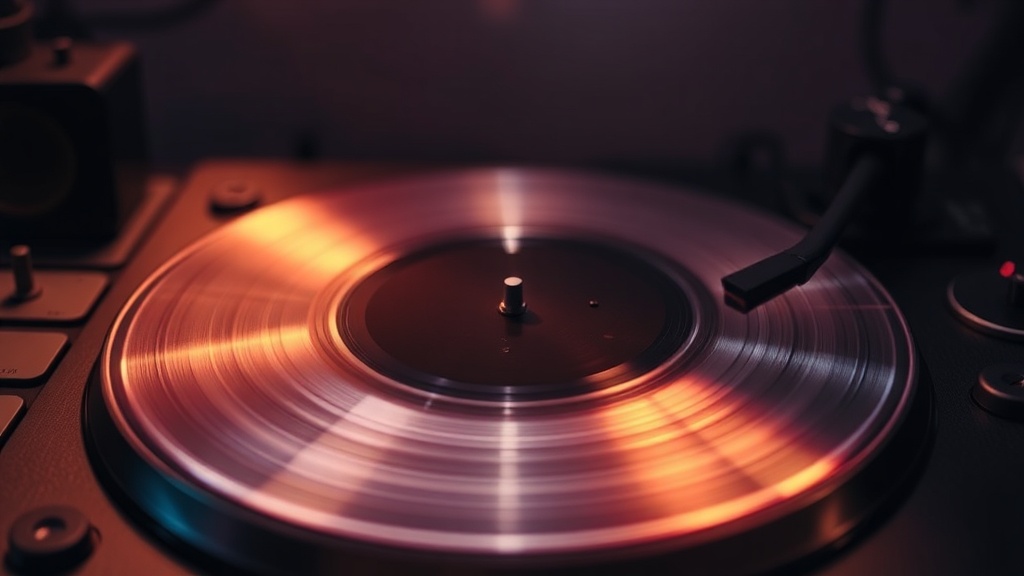
Keeping Your Vinyl Records Safe From Heat and Humidity

Imagine walking into your listening room on a sweltering July afternoon to find your prized 1967 original pressing of Sgt. Pepper's Lonely Hearts Club Band slightly bowed. The edges aren't perfectly flush with the jacket, and the vinyl itself feels a bit soft to the touch. This isn't a nightmare scenario; it's a very real consequence of improper storage. High temperatures and moisture levels can warp, warp, and degrade your collection faster than you'd think. This post covers the practical steps for managing your environment to ensure your physical media stays in top shape for decades.
Does Humidity Damage Vinyl Records?
Yes, it certainly does. While the vinyl disc itself is relatively resistant to water, the environment surrounding it is a different story. High humidity levels—anything consistently above 50%—can cause several problems. First, there's the issue of mold and mildew. If moisture gets trapped inside a sleeve, it can lead to fungal growth on the surface of the record or even inside the cardboard jacket. This isn't just an aesthetic issue; mold can physically damage the grooves and create a permanent "crackle" that no amount of cleaning can fix.
Second, humidity affects the paper components of your collection. Cardboard jackets are incredibly hygroscopic, meaning they absorb moisture from the air. This leads to warping, swelling, and that dreaded "bubbling" effect on the cover art. If you live in a coastal area or a city with high seasonal humidity, you're at a higher risk. You might notice the sleeves feeling soft or damp. This is a clear sign that your storage area needs better climate control. To get a better understanding of how environmental factors affect physical media, you can look at the technical standards often discussed by organizations like the National Archives regarding document preservation.
To combat this, consider these storage habits:
- Avoid Basements and Attics: These are the most volatile environments in a home. Basements are often damp, while attics experience extreme heat cycles.
- Use Dehumidifiers: A dedicated dehumidifier in your listening room can keep the air at a stable, safe level.
- improve Your Shelving: Don't store your record crates directly on a concrete floor, as moisture can seep up through the ground.
How High Temperatures Affect Your Collection
Vinyl is a thermoplastic material. By definition, it is shaped by heat. While a little heat is needed during the manufacturing process to press the records, uncontrolled heat in your home is a recipe for disaster. If your record collection sits near a radiator, a sunny window, or a direct air vent, you're asking for trouble. Even if the record doesn't look visibly warped, heat can cause the vinyl to lose its structural integrity, leading to subtle changes in how the stylus tracks the grooves.
A warped record is often a permanent injury. While some minor bowing can be addressed with specialized heat-correction tools, attempting this at home is incredibly risky. If you overcompensate, you might end up with a record that is permanently out of spec. The best approach is prevention. Keep your collection in the coolest part of your house. If you're using a turntable, make sure the motor and the power supply aren't generating excessive heat near the storage area. Heat can also degrade the lubricants in your turntable's bearing, which is a separate but related issue for long-term maintenance.
What Is the Best Way to Store Records Long-Term?
The goal for long-term storage is stability. You want a constant temperature and a constant level of moisture. The ideal range for a record collection is roughly 65-70 degrees Fahrenheit (18-21 Celsius) and a relative humidity of 35-50%. If you can maintain these levels, your collection will remain stable for a lifetime. Most people don't have a laboratory-grade climate control system, but small adjustments make a massive difference.
When it comes to the physical orientation of the records, there is a single golden rule: Store them vertically. Never stack your records horizontally in large piles. The weight of the top records will exert immense pressure on the ones at the bottom, which—combined with heat—can lead to a permanent "ring wear" pattern on the jacket and even subtle warping of the vinyl itself. If you're using a crate or a shelf, ensure the records are upright and supported by the sides so they don't lean at an angle. A leaning record is a warping record in the making.
Consider using high-quality archival-grade sleeves. Standard inner sleeves are often made of cheap paper that can create static or even scratch the surface. Switching to anti-static, polyethylene-based sleeves can help protect the record from the micro-fluctuations in your environment. For more technical details on the chemical properties of vinyl and how they interact with environmental stressors, the National Institute of Standards and Technology (NIST) provides extensive research on material stability.
A quick checklist for your storage area:
- Temperature: Is it away from direct sunlight and heating elements?
- Moisture: Is there a dehumidifier running if the air feels heavy?
- Position: Are all records standing straight up, not leaning or stacked?
- Airflow: Is there enough space between the records for air to circulate?
Maintaining a collection is a marathon, not a sprint. The care you put into your storage environment today determines whether your favorite albums will still sound pristine twenty years from now. It's about more than just keeping the dust off; it's about managing the physical properties of the medium itself.