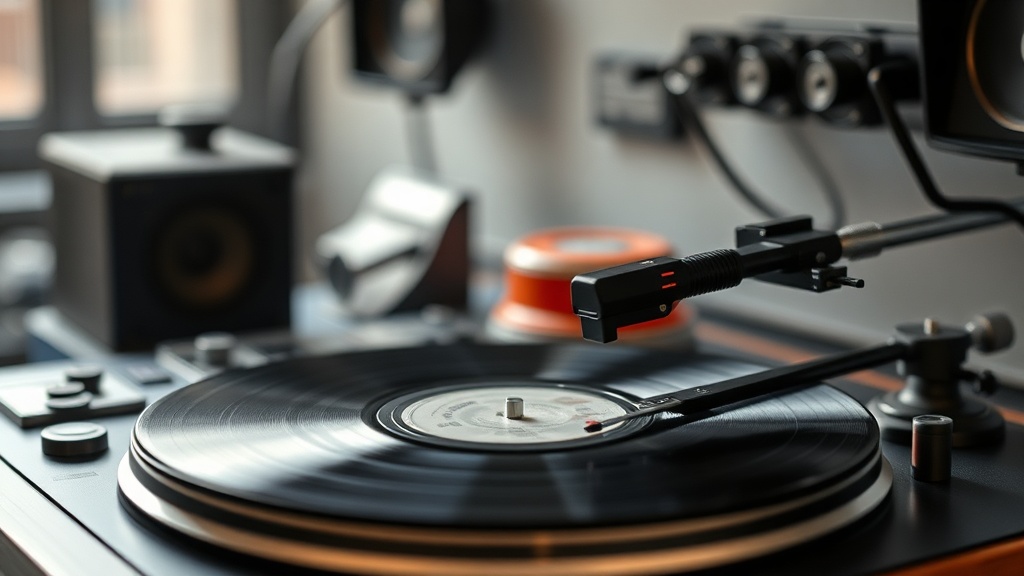
Selecting High-Quality Vinyl Record Cleaning Machines

This guide covers the different types of record cleaning tools available and how to choose one that fits your specific collection size.
Cleaning your vinyl isn't just about removing dust; it's about preserving the grooves so you actually hear what the artist intended. Whether you're dealing with a single dusty jazz record or a massive collection of thousands, the method you use to clean your discs changes how much time you spend scrubbing and how much quality you retain. We'll look at the different tiers of cleaning equipment, from manual solutions to heavy-duty vacuum systems.
If you're just starting out, you might think a simple brush is enough. It's a common mistake. A brush handles surface-level dust, but it won't touch the grime living deep inside the grooves. To truly clean a record, you need a liquid and a way to extract it. This is where the hardware comes into play.
What is the best way to clean a record at home?
For most people, the best method depends on how much money you want to spend and how much effort you're willing to put in. There isn't one "perfect" machine, but there are several reliable ways to get the job done. Let's break down the three main approaches you'll encounter in the hobby.
The Manual Approach: Spin and Wipe
The manual approach is the most budget-friendly. It usually involves a specialized cleaning solution, a microfiber cloth, and a steady hand. You pour the liquid onto the record, spin it (often using a specialized clamp or a record rotation device), and wipe in a circular motion. It's effective for light cleaning, but it's incredibly tedious if you have fifty records to get through. It's also prone to human error—one wrong move and you've smeared more gunk around rather than removing it.
The Vacuum Method: Suction and Extraction
If you're serious about your collection, you'll eventually want a vacuum record cleaning machine. These machines work by applying a cleaning fluid to the record and then using a vacuum motor to suck the fluid—and the trapped dirt—out of the grooves. This is a much more thorough process. A popular example of this type of tech is the VPI Record Cleaning Machine, which uses a high-powered vacuum to ensure the grooves are truly empty. This method is much faster for large batches and provides a much cleaner result than manual wiping.
The Ultrasonic Method: Sound Waves and Bubbles
Ultrasonic cleaning is the high-end tier. These machines use high-frequency sound waves to create tiny bubbles in a cleaning fluid. These bubbles (known as cavitation) implode against the record surface, blasting out even the most stubborn microscopic debris. It’s a hands-off process once the record is in the tank. It's expensive, yes, but it's arguably the most effective way to ensure your records are pristine. You can find detailed technical discussions on how these work via ultrasonic cleaning principles.
How much does a record cleaning machine cost?
Expect to see a wide range of prices. A basic manual kit might run you $30 to $50. A decent entry-level vacuum system will likely start around $200 and can go up to $600. If you're looking at ultrasonic cleaners, prepare to spend upwardsm of $1,000. The cost isn't just in the machine itself, but in the specialized fluids and replacement parts you'll need to keep it running.
| Method | Difficulty | Effectiveness | Price Range |
|---|---|---|---|
| Manual (Cloth/Brush) | Low | Moderate | $ |
| Vacuum Extraction | Medium | High | $$ - $$$ |
| Ultrasonic | Low (Automated) | Very High | $$$$ |
Don't forget that the liquid you use matters just as much as the machine. Never use tap water or harsh household soaps. You want distilled water and a high-quality record cleaning solution. Using the wrong liquid can actually leave a film behind or, worse, damage the vinyl's surface integrity over time. It's a fine line between deep cleaning and permanent damage.
Why should I invest in a professional cleaning machine?
The reason to invest is simple: longevity and sound quality. A dirty record isn't just a nuisance; it's a physical barrier between your needle and the music. Dust and old oils cause surface noise, pops, and clicks. If you're playing a high-end setup, you're essentially wasting that hardware's potential if you're playing dirty discs. A machine ensures that the groove is actually clear, allowing the stylus to track the music without interruption.
Think of it like a car. You wouldn't drive a high-performance vehicle through a mud pit without ever washing it. Your records are the same. The more you care for them with the right tools, the longer they'll sound great. It's an investment in your collection's future. Whether you choose a simple vacuum or a high-end ultrasonic bath, the goal remains the same: removing the barrier between you and the music.