The Complete Guide to Buying Vintage Vinyl Records Like a Pro

What You'll Learn About Buying Vintage Vinyl
This guide breaks down everything needed to spot valuable pressings, avoid costly mistakes, and build a collection worth owning. Whether hunting for rare first pressings or affordable classics, the strategies here apply to flea markets, record stores, and online marketplaces alike. You'll walk away knowing how to evaluate condition, identify authentic originals, and negotiate prices like someone who's been flipping through crates for decades.
How Do You Spot a Valuable Vintage Vinyl Record?
The most valuable vintage records typically feature first pressings from original manufacturing runs, limited releases, or albums with manufacturing errors that were quickly corrected. Learning to identify these characteristics separates casual shoppers from serious collectors.
Start with the matrix numbers etched into the run-out grooves — the spaces between the last track and the label. These tiny alphanumeric codes reveal when and where a record was pressed. Original pressings from plants like Scranton Pressing or RCA Records Pressing Plant, Indianapolis often fetch premium prices among collectors chasing specific sonic characteristics.
The label design matters too. Record labels redesigned their logos and label art multiple times over decades. A Beatles album with the black-and-yellow Parlophone label looks different from later pressings with the black-and-silver design. These visual cues help date a record within specific production windows.
Dead wax etchings — those handwritten or machine-stamped marks visible in strong light — sometimes contain cryptic messages from mastering engineers. At Discogs, the comprehensive music database and marketplace, collectors document these variations obsessively. Cross-referencing what you find against their catalog helps confirm authenticity and rarity.
Sleeve construction offers additional clues. Original pressings often used heavier cardboard stock with specific printing techniques. The weight, texture, and seam construction of an album jacket can indicate whether it's from 1967 or 1987 — even when the artwork looks identical at first glance.
What Should You Check Before Buying Used Vinyl?
Always inspect the vinyl surface, edges, and spindle hole under good lighting before purchasing — surface noise, visible scratches, and warping significantly impact both listening experience and resale value. Here's the thing: even minor-looking defects can render a record unplayable.
Bring a portable light source. Most record stores and flea markets have terrible lighting. A small LED flashlight reveals hairline scratches, groove wear, and pressing flaws invisible under dim bulbs. Hold the record at an angle against the light — you'll spot imperfections that disappear when viewed straight-on.
Check for these specific defects:
- Ring wear — circular discoloration on the sleeve where the vinyl pressed against it
- Seam splits — tears along the spine or opening edges of the jacket
- Water damage — warping, staining, or cardboard delamination
- Scuffed labels — damage from automatic record changers or careless handling
- Off-center pressings — the label doesn't align with the spindle hole
Play testing remains the gold standard. Many reputable shops — Rough Trade operates locations in Brooklyn and London with listening stations — let customers audition records before purchase. The catch? Flea markets and estate sales rarely offer this luxury.
Smell the record. Seriously. Records stored in damp basements or smoky environments retain those odors permanently. The vinyl itself absorbs mustiness, and paper sleeves trap cigarette smoke for decades. That $50 jazz original pressing isn't such a deal when it smells like mildew and ash.
Understanding the Goldmine Standard
The industry-standard grading system comes from Goldmine magazine. Most collectors use these categories:
| Grade | Description | Price Impact |
|---|---|---|
| Mint (M) | Never played, perfect condition | 100% of market value |
| Near Mint (NM) | Played few times, no visible wear | 75-90% of value |
| Very Good Plus (VG+) | Minor surface noise, sleeve wear | 50-75% of value |
| Very Good (VG) | Surface noise, visible wear | 25-50% of value |
| Good (G) | Significant noise, plays through | 10-25% of value |
| Poor/Fair (P/F) | Unplayable or severely damaged | Minimal value |
Worth noting: sellers often overgrade their inventory. A record listed as "VG+" frequently arrives closer to "VG" in reality. Always buy assuming the condition is one grade lower than advertised.
Where's the Best Place to Buy Vintage Vinyl Records?
Specialized record stores with knowledgeable staff offer the best combination of curated inventory, fair grading, and return policies — though prices run higher than alternative sources. That said, each buying channel serves different collecting goals.
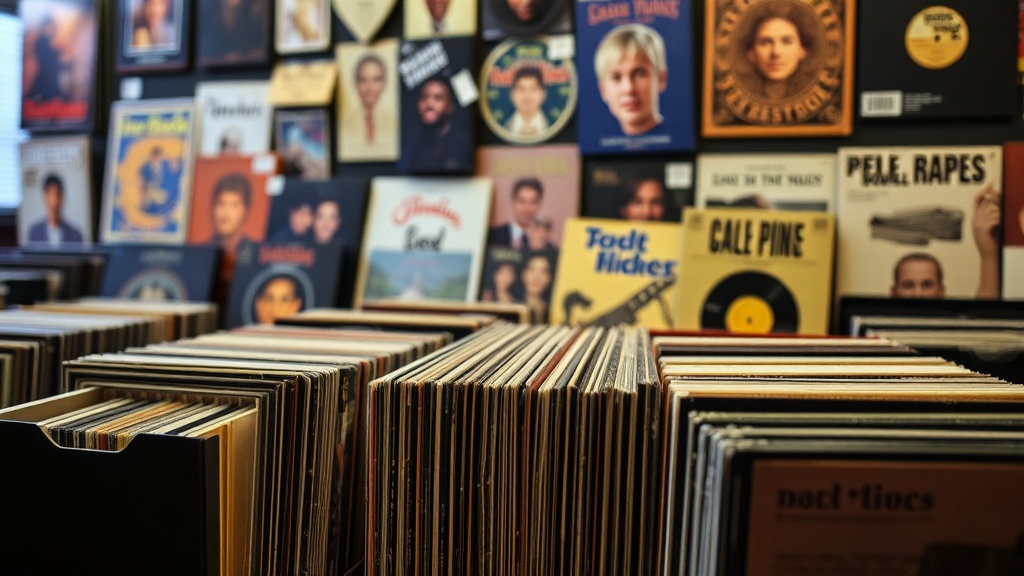
Independent Record Stores: Shops like Repo Records in Philadelphia or Amoeba Music in Los Angeles employ serious collectors who price fairly and stand behind their grading. You're paying for expertise and the ability to inspect before buying. The experience matters — flipping through organized crates, discussing pressings with staff, discovering records you didn't know you needed.
Flea Markets and Garage Sales: These offer the thrill of potential discovery at bargain prices. Estate sales in older neighborhoods sometimes yield untouched collections from original owners. The risk? No returns, questionable storage conditions, and time investment. You'll dig through plenty of Herb Alpert and Ray Conniff before finding that Blue Note original.
Online Marketplaces: eBay connects buyers with global inventory but requires careful seller evaluation. Check feedback scores, read descriptions thoroughly, and examine photos closely. Discogs operates similarly but focuses specifically on music, with more standardized grading and a community that self-polices accuracy.
Record Shows and Conventions: These gatherings bring dozens of dealers under one roof. The Rock and Roll Hall of Fame in Cleveland hosts events, and regional shows happen monthly in most major cities. Cash discounts are standard, and competition among dealers keeps prices reasonable.
Red Flags in Online Listings
Watch for these warning signs when buying remotely:
- Vague descriptions ("great condition" without specifics)
- Stock photos instead of actual item images
- Refusal to answer specific questions about pressing details
- Shipping quotes that seem artificially low
- Sellers with recent negative feedback mentioning grading disputes
How Much Should You Pay for Vintage Vinyl?
Prices vary dramatically based on pressing rarity, artist popularity, condition, and current market demand — a common Pink Floyd — Dark Side of the Moon pressing might cost $15, while an original UK pressing with solid blue triangle labels commands $300+. Research before spending prevents overpayment.
Discogs provides the most reliable pricing data through their sales history feature. Check what specific pressings actually sold for — not what sellers currently ask. Asking prices often reflect wishful thinking rather than market reality.
When negotiating in person, knowledge equals use. Mentioning specific pressing details ("This is the Scranton pressing with the -1A matrix, right?") signals you're informed. Most dealers respect educated buyers and adjust prices accordingly. Cash payments typically earn 10-15% discounts at shows and flea markets.
Budget realistically for your collecting goals. Here's a rough framework:
| Collection Focus | Price Range per Record | Annual Budget Estimate |
|---|---|---|
| Classic rock essentials | $10-30 | $300-600 |
| Jazz deep cuts | $15-75 | $500-1,200 |
| Original punk pressings | $50-200 | $1,000-3,000 |
| Blue Note originals | $100-1,000+ | $2,500-10,000+ |
What Gear Do You Need to Evaluate Records Properly?
A basic inspection kit includes a bright flashlight, microfiber cloth, and a trusted portable record player for auditioning purchases. Advanced collectors add a jeweler's loupe for examining groove condition and a scale for verifying pressing weights.
The Audio-Technica AT-LP120XUSB offers a solid entry-level option for testing purchases — its adjustable tracking force and anti-skate prevent damage to valuable records. For serious evaluation, the Pro-Ject Debut Carbon EVO delivers better detail retrieval, helping you identify groove wear that cheaper tables mask.
Cleaning equipment matters as much as playback gear. Many "damaged" records just need proper cleaning. The Spin-Clean Record Washer MKII handles bulk cleaning affordably. For individual treasures, the Audio-Technica AT6012 brush and distilled water solution remove surface grime safely.
Storage supplies protect your investment. Replace paper inner sleeves with polyethylene or rice paper alternatives — they prevent sleeve scuffs and static buildup. Outer sleeves guard jackets against ring wear and handling damage. Sleeve City and Bags Unlimited supply archival-quality materials.
"The best tool in your kit isn't equipment — it's patience. Records that seem like must-haves today will still be there tomorrow, often at better prices. Sleep on big purchases."
Avoiding Common Beginner Mistakes
New collectors frequently chase "investment grade" records before developing taste. Buy music you love first. A $500 sealed original means nothing if you'll never play it. Start with affordable pressings of favorite albums, learn what different pressings sound like on your system, then upgrade strategically.
Don't clean records aggressively. Harsh chemicals and excessive pressure damage grooves permanently. When in doubt, less cleaning beats overcleaning.
Skip the polyvinyl inner sleeves — they stick to vinyl and can pull grooves apart during removal. Stick to polyethylene, poly-lined paper, or rice paper.
The hunt for vintage vinyl rewards preparation, patience, and genuine enthusiasm for the music. Every crate holds potential discoveries. Every record tells a story through its scratches, its previous owners' markings, its path from pressing plant to your turntable. That's worth more than any price tag.